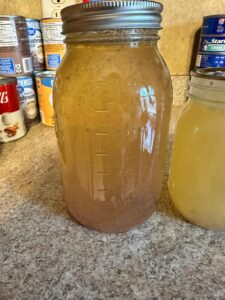
Canning and Preservation
Introduction
Canning and preservation is a simple and traditional way to keep food fresh for a long time. Many fruits and vegetables grow in large amounts during certain seasons, and sometimes it becomes difficult to use them all before they spoil. Canning helps solve this problem by storing food safely in sealed jars. When food is canned properly, it can stay good for many months. This method has been used by families for many generations. People often use it to preserve vegetables, fruits, sauces, and jams so they can enjoy them later in the year.
People love canning and preservation because it gives them control over their food. Instead of buying preserved foods from stores, they can prepare their own jars at home using fresh ingredients. Homemade preserved foods often taste better and feel more natural. Many people also enjoy the process itself. Washing vegetables, filling jars, and sealing them can feel relaxing and rewarding. When the jars are finished and placed in the pantry, it brings a sense of pride because you have prepared food for the future with your own hands.
Another reason people choose canning and preservation is to reduce food waste. When gardens produce many fruits or vegetables at the same time, not all of them can be eaten immediately. Instead of letting them spoil, canning helps save them for later. It can also be helpful for busy families who want ready to use ingredients in the kitchen. Opening a jar of preserved vegetables or fruit makes cooking faster and easier. Canning is not only practical but also comforting because it connects people to traditional cooking methods and simple home living.
Ingredients You Will Need
Fresh tomatoes 2 kilograms
Water about 2 liters
White vinegar 1 cup about 240 milliliters
Salt 2 teaspoons about 10 grams
Sugar 2 tablespoons about 25 grams optional
Garlic cloves 3 cloves about 9 grams optional
Whole peppercorns 1 teaspoon about 3 grams optional
Clean glass canning jars 4 medium jars
Canning lids and rings 4 sets
Step by Step Method
Step one wash the produce
Start by washing the tomatoes or other vegetables under clean running water. This removes dirt and keeps the food clean before preservation.
Step two prepare the jars
Wash the glass jars with warm soapy water and rinse them well. Allow them to dry or place them in warm water to keep them clean and ready.
Step three prepare the vegetables
Cut the tomatoes into medium pieces. If you are preserving other vegetables, cut them into similar sized pieces so they cook evenly.
Step four boil water
Fill a large cooking pot with water and bring it to a boil. The boiling water will be used for processing the jars.
Step five prepare the brine
In another pot combine water, vinegar, salt, and sugar. Heat the mixture gently while stirring so the salt and sugar dissolve completely.
Step six fill the jars
Place the cut tomatoes or vegetables into the clean jars. Leave a small space at the top of each jar.
Step seven add flavor ingredients
Place garlic cloves and peppercorns into the jars if you like extra flavor.
Step eight pour the hot brine
Carefully pour the hot brine into each jar until the vegetables are covered. Leave about two centimeters of space at the top.
Step nine remove air bubbles
Use a clean spoon or small utensil to gently move inside the jar. This helps release trapped air bubbles.
Step ten close the jars
Place the lids on the jars and screw the rings on firmly but not too tight.
Step eleven process the jars
Place the filled jars into the pot of boiling water. The water should cover the jars completely.
Step twelve boil the jars
Allow the jars to stay in boiling water for about thirty minutes. This process helps seal the jars safely.
Step thirteen cool the jars
Carefully remove the jars and place them on a towel on the kitchen counter. Allow them to cool completely.
Step fourteen store the jars
Once the jars are cool, store them in a cool and dark place such as a pantry. Properly sealed jars can last for many months.
Protein and Nutrition Details
Fresh tomatoes 2 kilograms provide about 10 grams of protein in total. They are also rich in vitamins and natural plant nutrients.
Garlic cloves provide about 1 gram of protein and also contain natural plant compounds.
Peppercorns and vinegar provide almost no protein but they help preserve the food and improve flavor.
The total protein content of the preserved food in this recipe is approximately 11 grams. The exact amount may vary depending on the vegetables used.
Why This Recipe Is Special
Canning and preservation is special because it allows people to enjoy seasonal foods throughout the year. Fresh produce can be saved and stored in jars so it does not go to waste. This makes the kitchen more efficient and reduces the need to throw away food.
Another reason this method is special is the natural taste of homemade preserved foods. Store bought preserved foods sometimes contain extra additives or preservatives. When you make your own jars at home, you know exactly what ingredients are inside.
Canning also creates a feeling of tradition and connection to home cooking. Many families have practiced preservation for generations. Learning this skill can be both useful and meaningful.
The process also brings creativity into the kitchen. You can preserve many types of fruits, vegetables, sauces, and jams. Each jar can have slightly different flavors depending on the ingredients you choose.
Extra Tips for Better Taste
Use fresh and firm vegetables because they produce the best flavor after preservation.
Add herbs such as basil or thyme for extra aroma.
A small slice of onion can give the preserved vegetables a mild savory taste.
Allow the jars to sit for at least one week before eating so the flavors develop.
Label the jars with the date so you know when they were prepared.
Store jars in a cool dark place to maintain quality and flavor.
Final Thoughts
Canning and preservation is a valuable kitchen skill that allows you to store food safely and enjoy it later. With a few simple ingredients and basic equipment, you can prepare jars of fruits and vegetables that last for many months. This method helps reduce food waste and makes meal preparation easier. Homemade preserved foods often taste fresh and natural, which many people appreciate. Learning how to can and preserve food can also bring a sense of satisfaction and connection to traditional cooking methods. With practice, this simple process can become a helpful and enjoyable part of everyday life.
Disclaimer
This article is for informational and educational purposes only. Nutritional values may vary depending on the ingredients and preparation methods used. Every person has different dietary needs and health conditions. The results or benefits from preserved foods may vary from person to person. It is recommended to follow proper food safety guidelines when canning and consult a qualified health professional if you have specific dietary concerns.