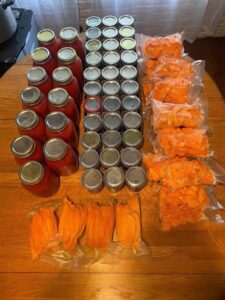
Canning and Preservation
Introduction
Canning and preservation is a simple and smart way to save fresh food for a long time. Many fruits and vegetables are only available in certain seasons. When they are fresh, they taste amazing and are full of nutrients. But after the season ends, they become expensive or hard to find. Canning and preservation help you store that fresh flavor inside jars so you can enjoy it later. This method has been used for many years in homes around the world. It is not just about storing food. It is about reducing waste and making the most of what you have.
People love canning and preservation because it gives them control over their food. When you preserve food at home, you know exactly what ingredients are inside. There are no harmful chemicals or artificial colors. The taste is natural and fresh. Many people also enjoy the process itself. Filling jars, sealing them, and seeing them lined up on a shelf feels satisfying. It gives a sense of achievement and comfort. Families often do it together, which creates special memories in the kitchen.
Canning and preservation is perfect when fruits and vegetables are in peak season. It is also helpful if you grow your own produce and have extra food to store. Instead of letting food go to waste, you can preserve it safely. This method is great for people who want to save money and eat healthy. Opening a jar of homemade preserved food in winter feels warm and comforting. It reminds you of sunny days and fresh harvests. It is practical, emotional, and healthy all at the same time.
Ingredients You Will Need
For a simple preserved mixed vegetable recipe
Fresh tomatoes 1 kilogram
Fresh carrots 500 grams
Green beans 500 grams
Salt 2 tablespoons about 30 grams
White vinegar 1 cup about 240 milliliters
Water 4 cups about 1 liter
Sugar 2 tablespoons about 25 grams
Equipment
Glass canning jars 4 medium size about 500 milliliters each
New lids and metal bands
Large deep pot for boiling
Clean kitchen towel
Tongs or jar lifter
Step by Step Method
Step 1 Wash and prepare the vegetables
Wash all vegetables carefully under running water. Remove any dirt or damaged parts. Cut the tomatoes into medium pieces. Peel the carrots and slice them into small rounds. Trim the ends of the green beans and cut them into smaller pieces if needed. Keep everything ready in separate bowls.
Step 2 Sterilize the jars
Place the glass jars in a large pot filled with water. Make sure they are fully covered. Boil them for about 10 minutes. This step is very important to remove bacteria and make the jars safe for storage. Carefully remove the jars using tongs and place them upside down on a clean towel to dry. Keep the lids in hot water to soften the sealing part.
Step 3 Prepare the brine solution
In another pot, add water, vinegar, salt, and sugar. Heat on medium flame and stir until the salt and sugar fully dissolve. Let it come to a gentle boil. This liquid will help preserve the vegetables and keep them safe for longer storage.
Step 4 Fill the jars
Place the chopped vegetables tightly inside the sterilized jars. Do not press them too hard, but make sure there is not too much empty space. Pour the hot brine solution over the vegetables until they are fully covered. Leave about 2 centimeters space at the top of each jar.
Step 5 Remove air bubbles
Use a clean spoon or knife to gently move inside the jar to release any trapped air bubbles. Wipe the rim of each jar with a clean cloth to remove any liquid. Place the lid on top and screw the metal band until it feels secure but not overly tight.
Step 6 Water bath process
Place the filled jars back into the large pot of boiling water. The water should cover the jars by at least 2 to 3 centimeters. Boil for about 15 to 20 minutes. This process helps create a vacuum seal inside the jar.
Step 7 Cool and store
Carefully remove the jars and place them on a towel. Let them cool at room temperature for 12 to 24 hours. You may hear a small popping sound which means the jars are sealing properly. After cooling, press the center of the lid. If it does not move, the jar is sealed. Store the jars in a cool and dark place.
Protein and Nutrition Details
Tomatoes 1 kilogram provide about 9 grams of protein. They are rich in vitamin C and antioxidants.
Carrots 500 grams provide about 5 grams of protein and are high in vitamin A.
Green beans 500 grams provide around 9 grams of protein and are a good source of fiber.
Vinegar, salt, sugar, and water provide little to no protein but help in preservation.
Total protein in this full recipe is approximately 23 grams. Although the protein amount is not very high, preserved vegetables are rich in vitamins, minerals, and fiber that support overall health.
Why This Recipe Is Special
This canning and preservation method is special because it is simple and beginner friendly. You do not need expensive machines. Basic kitchen tools are enough. It allows you to enjoy seasonal vegetables anytime during the year.
It also helps reduce food waste. Instead of throwing away extra vegetables, you can preserve them safely. This saves money and makes your kitchen more efficient. Homemade preserved vegetables taste fresher than many store bought versions.
From a health point of view, preserved vegetables still contain important nutrients. While some vitamins may reduce slightly during heating, many minerals and fiber remain. This makes them a healthy addition to meals. You can use them in salads, sandwiches, or as a side dish.
Extra Tips for Better Taste
Add garlic cloves or black peppercorns into the jars for extra flavor.
Use fresh herbs like dill or thyme to create different taste variations.
Make sure vegetables are fresh and firm before preserving for best results.
Label each jar with the date so you know when it was made.
Always store jars in a cool and dark place to maintain quality.
If a jar does not seal properly, store it in the refrigerator and use it within a few days.
Final Thoughts
Canning and preservation is a wonderful skill to learn. It connects you to traditional cooking methods and helps you value fresh food. The process may look long at first, but once you try it, it becomes simple and enjoyable. Seeing jars filled with colorful vegetables on your shelf feels satisfying. It gives you peace of mind knowing you have healthy food stored for later. Whether you are trying to save money, reduce waste, or enjoy seasonal flavors, canning and preservation is a smart and rewarding choice.
Disclaimer
This article is for general information only. Everyone’s body is different, and results may vary. Always follow proper food safety guidelines when preserving food at home. If you are unsure about safe canning practices, consult a trusted food safety expert before storing preserved foods.